Business Waste Removal in Camden Town
Business waste removal in Camden Town needs to be practical, tidy and organised around the realities of trading space, shared entrances and busy streets. We collect and remove office waste, shop rubbish, fixtures, packaging and other non-hazardous commercial material, then sort it for the most suitable onward route. The service is designed for premises that need a clear, reliable way to move waste out without leaving it to build up around work areas or storage rooms.
That can include a single load after a clear-out, regular collections for accumulating business rubbish, or support when bulky items need separating from everyday waste. We handle the lifting, loading and disposal so your team can stay focused on the working day. Use this page to understand the main service, the kinds of waste it is suited to, and the options that help make an enquiry straightforward.
For a quote, it helps to think about the type of material, the approximate volume and how easy it is to reach the waste from the premises. If you already know what needs removing, you can prepare a short description before contacting us; if not, a simple outline is usually enough to start. When the scope is clear, the next step is to request a quotation and choose a collection time that suits the business schedule.
Commercial waste collections for everyday trading spaces
Many businesses need a straightforward clearance service rather than a complicated disposal arrangement. We can remove mixed commercial rubbish from offices, studios, retail units, workshops and other working spaces where waste accumulates through the week. This may include cardboard, dismantled fixtures, obsolete displays, bagged waste, filing, packaging and general non-hazardous items that no longer need to stay on site. The aim is to keep the process simple while still giving attention to sorting and safe handling.
Some businesses want a one-off uplift after a rearrangement, while others need repeated attention because storage is limited. In both cases, it helps to separate bulky items from lighter material and to identify anything that should be kept apart for specialist handling. If the waste is already bagged or grouped by type, loading is often more orderly. If it is mixed, we can still work through it carefully and remove what has been set aside for collection. Explore the business waste removal service if you want to review the core offering in more detail.
What this service can cover
Typical collections focus on non-hazardous material that has built up during normal business activity. That can be useful after stock rotation, desk changes, product changes or a general tidy of a back room. For premises with regular turnover, the service can support a more manageable environment by preventing waste from taking over usable space. If you need to remove a combination of large and small items, it is usually better to mention the mix early so the load can be planned properly.
Office waste removal and working environment clearances

Office waste removal is often about clearing items that are still in the way even if they are no longer technically in use. That can include worn desks, chairs, shelving, filing furniture, broken fittings, packaging and general office clutter. We work around the practical needs of workplaces that may need corridors, entrances or shared access left clear while the collection is taking place. The emphasis is on removing unwanted material efficiently and leaving the area ready for the next stage of use.
Offices can generate different types of waste at the same time, so it is sensible to think in categories. Old paperwork may need shredding, electrical items may need separate treatment, and furniture may need dismantling before it can be removed. Where those items are present together, a well-ordered clearance usually saves time and avoids confusion at the point of collection. See the office clearance page for a fuller view of this type of work.
If you are planning a workspace clear-out, it is useful to note whether the items are on one floor or spread across several rooms, and whether there are lift, stair or loading considerations. A short inventory is often enough. That kind of preparation helps the collection match the site conditions, especially in buildings where access is shared or where goods cannot simply be moved straight to the kerb.
Furniture disposal for desks, seating and fixtures
Furniture disposal is a major part of many business waste removals because offices, studios and commercial units often replace items before they are structurally unusable. We remove desks, chairs, cabinets, tables, shelving and other unwanted furnishings that no longer fit the layout or purpose of the premises. Depending on the item, the work may involve careful carrying, partial dismantling or separating reusable components from general waste.
Some furniture can be bulky without being especially heavy, while other items are awkward because of shape, fixings or material mix. That means the removal plan should focus on how the items sit in the room and how they need to be taken out. If you want to reduce disruption, it is often helpful to keep the furniture together in a clear spot where possible, although this is not always necessary. Read more about furniture clearance if the main task is a larger mixed removal rather than a single item.
- Desks, meeting tables and office chairs
- Storage units, filing cabinets and shelving
- Reception furniture and waiting-area items
- Mixed furnishings from clear-outs and refits
Household-style waste from business premises and mixed clear-outs

Some commercial premises also contain household-style items, especially where a business operates from a converted building, a mixed-use property or a compact workspace with domestic furnishings. In those situations, the collection may include sofas, mattresses, loose furniture, kitchen items or general clutter that does not belong with office waste. The key is to sort the material sensibly so that the collection remains safe and efficient.
Mixed clear-outs are often easier when similar items are grouped together, but the service can still be useful if the load includes different shapes and sizes. It is common for a single removal to contain furniture, packaging, redundant equipment and soft goods. Where that happens, the focus is on separating what can be managed as part of the same collection and identifying anything that needs different treatment. Look at house clearance if the item list is mainly domestic rather than commercial.
Practical planning matters here: mention any awkward access points, stair-only routes, narrow entrances or shared internal spaces before the collection day. That makes it easier to understand how the removal should be handled and whether the waste should be staged in a particular place. For many customers, a short summary of the contents is enough to move from initial interest to a quotation request.
Special items and separate handling needs
Not every item belongs in an ordinary mixed waste load, and it is better to treat certain materials separately from the outset. Appliances, confidential documents, and some potentially hazardous or regulated items need clearer identification so that the right disposal route can be chosen. A business waste collection can still be the right starting point, but the work becomes more effective when those exceptions are recognised before the items are moved.
Where appliances are involved, the weight, cables, fittings and possible internal contents all affect how they should be removed. Confidential paperwork is different again, because the concern is not just disposal but responsible handling before destruction. If your premises also hold items that need special checks, it is sensible to keep them apart and state that in your enquiry. Confidential shredding is useful to review when documents need a separate secure process.
For items such as fridges, freezers and some larger units, the collection may need additional planning because of size and material mix. That is particularly relevant when equipment has been left in a back room, cellar or stock area. Clear identification helps prevent a general waste load from becoming muddled with material that should be treated differently, and it gives you a more accurate quotation from the outset.
How to prepare a quotation request
A good quotation request does not need to be long, but it should be specific enough to describe what needs taking away. The most useful details are the type of waste, a rough estimate of quantity, the location within the premises and any access issues that might affect loading. If the waste includes furniture, appliances or mixed material, it helps to say so directly rather than using a broad description that may miss key details.
You can also mention whether the collection is a one-off clearance, part of a larger tidy-up or a repeat requirement. That matters because the scale and timing can differ even when the general service is the same. A couple of photographs can help if they are available, but they are not always essential. The main aim is simply to give enough context for the work to be understood properly before a price is discussed.
When you are ready, request a quotation and explain the items clearly. If you need to compare options or understand what affects the price, the pricing and quotes page is a sensible place to start. A concise description of the waste usually leads to a better conversation than a very brief message, especially when the premises contain several kinds of material.
Pricing factors and collection planning
The cost of business waste removal is influenced by practical factors rather than a single rule. Quantity matters, but so do item type, access, labour time and whether the material must be handled in stages. A collection from a ground-floor storage area is usually different from a removal involving upper floors, narrow corridors or a building with shared access. If items need dismantling, that also changes the amount of work involved.
Planning is often simpler when waste is grouped before the collection begins. This is especially true for businesses that have a mixture of cardboard, furniture and general rubbish all in one place. A short note describing what is ready to go can help the team decide how the waste should be loaded and whether anything needs separate handling. Where the quantity is still uncertain, a rough estimate is usually better than leaving the scope completely open. View pricing and quotes information if you want to understand the main variables before you ask for a figure.
There is also value in choosing the collection window carefully. A business may prefer a quieter time of day, a period before opening, or a slot that reduces interruption to customers and staff. The cleaner the handover, the easier it is to complete the removal without unnecessary delays. Clear scope, clear access and clear timing are the simplest ingredients of a smooth enquiry.
About Camden Town
Camden Town is a district in north London best known for its position around the Regent’s Canal, its busy transport links and its long association with markets, music and urban culture. The area developed from the late eighteenth century onward as the Regent’s Canal and related infrastructure shaped movement through north-west London. Camden Town station opened in 1907, strengthening the district’s role as a transport interchange. Over time, the area became closely linked with warehousing, trade, publishing, entertainment and later visitor activity. Its streets show a mix of Georgian, Victorian and later commercial buildings, with surviving industrial structures standing alongside smaller shops, pubs and residential terraces.
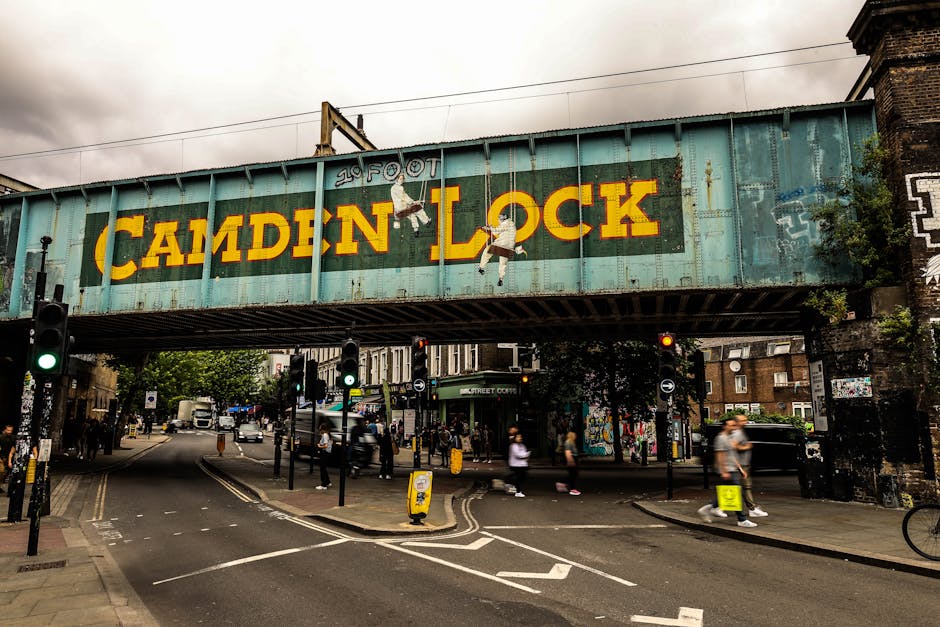
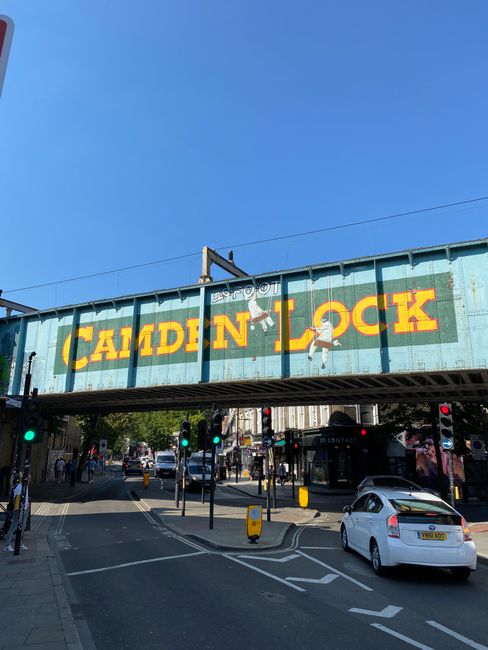
The Regent’s Canal is one of the defining physical features of the district. It passes near the heart of the area and links Camden with neighbouring parts of inner London through a route that once supported freight movement and now also supports leisure traffic. Camden Lock and the surrounding market area became widely known for stalls, converted warehouses and busy public spaces, while nearby Regent’s Park forms part of the broader landscape to the west and south-west. The district also sits within a wider borough that includes a rich architectural range, from institutional buildings and terraces to modern developments. Cultural life remains a prominent part of Camden Town’s identity, with live music venues, independent trading and a dense street pattern that reflects the area’s layered history. As a place, it combines river-and-canal-side character, urban density and a strong tradition of commercial activity.
Business waste support for different premises
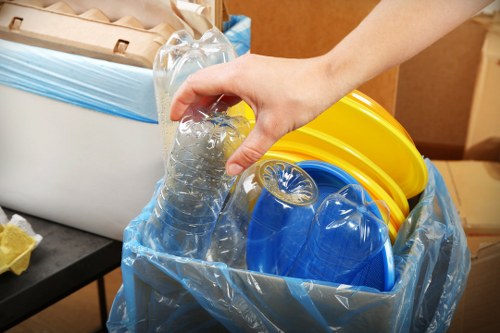
Different premises generate different waste patterns, so a useful clearance service needs to fit the way the property is used. Retail sites may need help with packaging and display changes. Offices often need furniture, paper and old equipment removed. Workshops and storage spaces can hold mixed items that have become difficult to sort without making room for the day-to-day operation. The common thread is that the waste is no longer useful where it sits, but it still has to be removed in a controlled way.
That is why a flexible approach matters. One collection might involve a relatively small quantity of bagged rubbish, while another involves several bulky items and a much fuller load. In either case, the priority is to remove what has been set aside, keep the work orderly and avoid leaving loose waste behind. If you are comparing options, think about the type of premises, the layout and whether the waste is tied to a refit, an end-of-tenancy clear-out or ordinary business housekeeping. Find out more about us if you want to see the wider company information available on the site.
If you need business waste removal in Camden Town, the simplest next step is to ask for a quotation with a clear description of the items and access. You can also make an enquiry here when you are ready to discuss the collection and arrange a suitable time.